
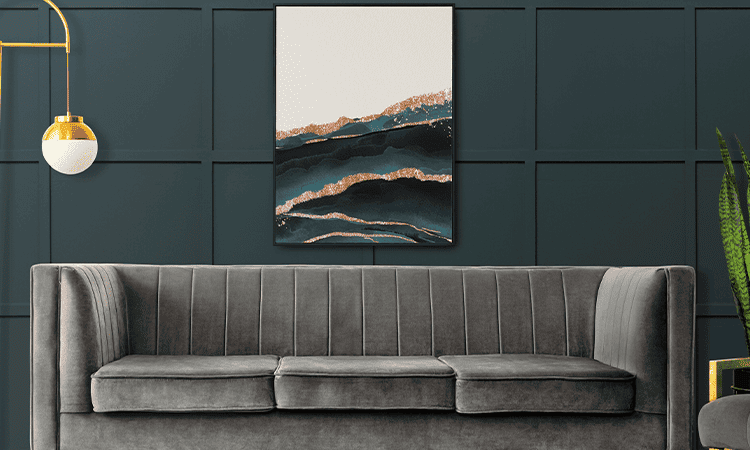
Walking into an empty room feels like standing before a blank canvas. There is a specific kind of quiet in a space that hasn’t been lived in yet; a mix of endless potential and a slight chill. You might look at the bare wells and feels a rush of excitement, or perhaps a bit of pressure to everything right.
It is easy to fill a square footage with furniture, but it takes a different level of thought to fill it with soul. A room becomes a home when every corner reflects a piece of your story.
The Art of the Slow Start
When you first move into a new space or decide to overhaul an old one; the urge to finish the job in a single weekend is strong. We live in a world that prizes speed, but true style often comes from patience.
Creating an intentional room means resisting the temptation to buy a complete set from a showroom floor. While those sets are easy, they often lack the character that develops when you choose items over time.
Instead of rushing, start by sitting in the room at different times of the day. Watch how the sunlight moves across the floor in the morning. Notice which corner feels cozy when the sun goes down.
Understanding the rhythm of your space helps you decide where a reading chair should go or where a large plant might thrive. Intentionality is about listening to the room before you start speaking to it with your decor.
Finding Your Color Story
Color is a powerful tool in your kit. It sets the mood before a person even takes a seat. When choosing a palette, look beyond what is currently popular on social media. Think about how you want to feel when you walk through the door after a long day.
Warm Earth Tones: Shades like terracotta, soft sand, and muted sage create a sense of grounding. These colors tend to connect to the indoors to the outside world, making a room feel stable and calm.
Cool Neutrals: Soft blues and gentle greys can make a small room feel airy and expansive. They provide a crisp backdrop that allows your furniture and art to stand out.
Moody Hues: Deep forest greens or charcoal tones add a layer of sophistication. They wrap around you, which creates a snug environment that is ideal for bedrooms or dens.
A cohesive home does not mean every room is the same color. It means there is a "thread" that connects them. Perhaps a specific shade of blue appears in a painting in the living room and then shows up again on a throw pillow in the office. This subtle repetition creates a visual harmony that feels effortless.
Texture: The Secret Ingredient
If a room looks beautiful but feels “flat,” it usually lacks texture. Texture is what makes a space feel layered and rich. Think of it as the difference between a plain cotton shirt and a hand-knit wool sweater. Both are functional, but one has a tactile depth that draws you in.
In a living room, aim to mix materials. A leather sofa paired with a chunky knit blanker and a jute rug creates a balance of smooth, soft, and rough surfaces. In a dining area, a smooth wooden table looks striking when paired with woven chair seats or linen runner.
These contrasts keep the eye moving and make the environment feel more human and less like a gallery.
Lighting Beyond the Ceiling
One of the biggest mistakes in home decor is relying solely on the "big light;" the overhead fixture that comes standard with nearly all rooms. Overhead lighting is often harsh and flattens the dimensions of a space.
To transform a room from empty to intentional, you need to layer your light.
Consider three levels of lighting:
- Ambient: This is your general light source, but it should be soft. Using dimmers allows you to adjust the intensity based on the time of evening.
- Task: This is focused light for specific activities, like a sleek brass lamp on a desk or a floor lamp arched over a favorite reading nook.
- Accent: This is where the personality comes in. Small table lamps on bookshelves, string lights in a jar, or a light pointing toward a piece of art add a glow that creates "pockets" of warmth.
When you turn off the overhead light and rely on these smaller sources, the corners of the room soften, and the atmosphere becomes immediately more inviting.
Furniture with a Purpose
Intentional decor is not about having the major items; it is about having the right ones. Every piece of furniture should earn its place. Before bringing something into your home, ask if it serves a function or brings you joy.
Small spaces, in particular, benefit from furniture that does double duty. An ottoman that opens up to store blankets, or a coffee table with a lower shelf for books, helps keep clutter at bay. When surfaces are clear of unnecessary items, the pieces you actually love have room to breathe.
Don't be afraid of "negative space." An empty corner is not a problem that needs to be solved. Sometimes, leaving a bit of breathing room around a beautiful chair makes that chair look even more significant. It allows the architecture of the room to be seen and appreciated.
Bringing the Outdoors In
Nature has a way of softening the hard lines of a building. Plants are a vital part of an intentional home. They are living decor that changes and grows with you.
A tall fiddle leaf fig can fill an empty corner with vibrant green, while a small succulent on a windowsill adds a touch of life to a kitchen.
If you don't have a green thumb, focus on natural materials. A bowl of smooth river stones, a piece of driftwood, or a vase filled with dried branches can provide that same organic feel without the need for watering.
The goal is to break up the synthetic materials of modern life with things that feel raw and real.
The Power of Personal Art
Art is where your personality truly shines. Many people feel intimidated by art, thinking they need to understand art history to make a good choice. In reality, the only rule for art is that you should enjoy looking at it.
A gallery wall is a wonderful way to fill a large, empty wall. It doesn’t have to expensive. You can frame old postcards, a map of a city you visited, or even a piece of interesting fabric.
The key to a great gallery wall is a variety of sizes and a consistent framing style, or a variety of frames and a consistent color theme.
Alternatively, one large, bold piece of art can act as an anchor for the entire room. It gives the eye a place to rest and can dictate the color palette for the rest of your accessories. Art tells the story of where you have been and what you value.
It turns a house into a personal sanctuary.
Organizing for Peace
It is difficult to feel intentional in a room that is overflowing with clutter. Organization is a form of decor. When you find beautiful ways to store your belongings, the storage itself becomes part of the design.
Use woven baskets to hold shoes in an entryway. Use glass jars in the pantry to show off the colors of grains and pasta. When your everyday items are tucked away neatly, the room feels lighter. A clean space allows your mind to relax, making the room a place of true rest.
The Finishing Touches
The final layer of decor consists of the small things: the scent of a candle, the stack of books on a side table, or the way a curtain drapes against the floor. These are the details that people notice when they stay for a while.
When you choose these items, think about the "why." If you are buying a candle, choose a scent that reminds you of a favorite memory.
If you are displaying books, pick the ones that changed how you think. When your home is filled with things that mean something to you, it stops being a collection of objects and starts being an extension of yourself.