
Entering a room that feels “off” is a common experience for many. Perhaps the furniture is positioned a way that blocks the flow, or the lighting feels flat and uninspired. When a space lacks a clear plan, it can feel like a collection of random objects rather than a cohesive environment.
Moving from a cluttered or confusing layout to one defined by purpose and precision is about more than just buying new things. It is about a shift in mindset. It requires looking at your four walls with a sharp eye and clear goal; to make every inch of the room work for you.
The Foundation of Precision
Precision in decor starts with measurement. Before a single rug is unrolled or a frame is hung, you must understand the scale of your environment. A common mistake is choosing a rug that is too small, which makes the entire seating area feel unanchored. Or, perhaps a sofa is so large that it dwarfs the side tables, throwing the visual weight of the room out of balance.
To style with precision, start by sketching a floor plan. It doesn’t need to be an architectural drawing, but it should reflect the true dimensions of the space. Mark where the windows are and where the doors swing open.
This step ensures that your path through the room is clear. A room styled with purpose allows for easy movement. You shouldn’t have to squeeze past a chair or sidestep a table to get from one side to the other. When the flow is logical, the room immediately feels more professional and polished.
Defining the Primary Purpose
Every room should have a primary “job.” A living room might be for quiet reading, or it might be for lively social gatherings. A bedroom is for rest, while an office is for focus. Precision means tailoring the decor to support that specific job.
If your living room is meant for conversation, position the seating so that people face each other comfortably without having to shout across a large gap. If the room is for media, the focal point shifts towards the screen, with lighting that can be dimmed to prevent glare.
When you try to make one room do too many things without a plan, it ends up doing none of the them well. By defining the purpose first, you create a filter for every decor choice that follows.
If an item doesn’t support the room’s main job, it likely doesn’t belong there.
The Science of Visual Weight
Visual weight is a concept that designers use to create a sense of equilibrium. It refers to how much "attention" an object grab. A dark, heavy wooden cabinet has more visual weight than a glass coffee table of the same size. To style with precision, you must distribute this weight evenly.
If all your heavy furniture is on one side of the room, the space will feel like it is tilting. Balance a large sofa with a pair of armchairs on the opposite side. If you have a tall bookshelf in one corner, consider a tall plant or a large piece of art in another to even out the height.
This kind of intentional placement keeps the eye moving smoothly around the space. It prevents the room from feeling lopsided and creates a sense of calm that is felt the moment you step inside.
Lighting as a Precision Tool
Lighting is often seen as an afterthought, but in a purposeful room, it is a primary feature. To achieve a high level of style, you must move beyond the single overhead light. A room with only one light source feels two-dimensional.
Layering your light is the key to adding depth:
- General Illumination: Use soft, diffused light to fill the room generally.
- Task Lighting: Place bright, focused lamps exactly where you need them, over a desk, next to a bed, or by a reading nook.
- Atmospheric Lighting: Use small lamps or wall sconces to highlight architectural features or artwork.
Precision also means paying attention to the "temperature" of the light. Using bulbs with a consistent warmth across all your lamps ensures the room feels unified. Mixing cold, blue-toned bulbs with warm, yellow ones creates a jarring environment that feels disorganized. Small details like these are what separate a room that is merely "furnished" from one that is truly "styled."
Choosing a Deliberate Palette
A purposeful room uses color to tell a story. Instead of picking colors based on a whim, choose a palette that reflects the mood you want to sustain. A limited palette often feels more intentional and sophisticated than a space with too many competing hues.
Start with a base neutral that covers the largest surfaces; the walls and the rugs. Then, choose two or three accent colors to use in your pillows, art, and accessories. When you stick to this palette with precision, the room feels like a singular thought.
Even if you have objects from different eras or styles, the consistent color story binds them together. This approach allows you to be creative while maintaining a high level of visual order.
Texture and Materiality
Texture is the tactile language of a room. To style with purpose, you must consider how materials interact. A room filled entirely with smooth, shiny surfaces can feel cold and uninviting. On the other hand, a room with too many rough, heavy textures can feel cluttered and dark.
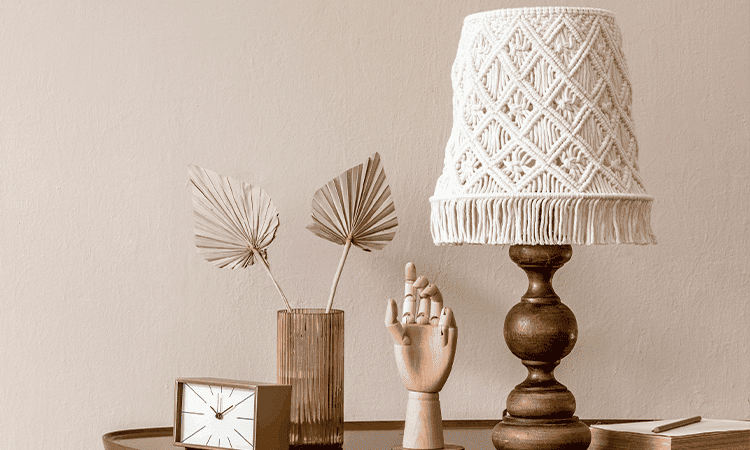
The goal is contrast. Pair a smooth metal lamp with a soft linen lampshade. Place a plush rug over a sleek hardwood floor. These pairings create interest without the need for bright colors or loud patterns.
When you choose materials with precision, you are considering not just how the room looks, but how it feels to the touch. This adds a layer of comfort that is essential for a home.
The Rule of Three and Odd Numbers
When it comes to styling surfaces like shelves, mantels, coffee tables, there is a simple rule for precision: use odd numbers. Groups of three or five tend to look more natural and appealing to the human eye than even-numbered groups.
When arranging a shelf, try grouping a tall vase, a medium-sized book, and a small decorative object together. This creates a “triangle” of visual interest. It looks curated rather than cluttered.
Purposeful styling means looking at your smaller accessories as part of a larger composition. Every object should have a relationship with the one next to it, whether through color, shape, or height.
Intentional Curation over Accumulation
Stylish rooms are often the ones that have been edited down. It is easy to add things to a room, but it takes precision to remove them. Look at your space and identify any items that are "taking up space" without adding value.
Curation is about quality over quantity. One significant piece of art usually has more impact than a wall covered in small, unrelated pictures.
One beautiful, comfortable chair is better than three that nobody wants to sit in. When you choose your items with thought, you allow each one to stand out. You create a room where every object feels like it was chosen for a reason.
Organizing with Precision
A well-styled room is also a well-organized one. Clutter is the enemy of purpose. When your surfaces are covered in papers, keys, and miscellaneous items, the design of the room is lost.
Incorporate smart storage solutions that fit your style. Use a beautiful tray to corral small items on a coffee table. Use a wooden box to hide remote controls.
When everything has a dedicated home, the room stays looking the way you intended. Organization is not about cleaning; it is the final step in the styling process that makes sure your vision remains clear every day.