
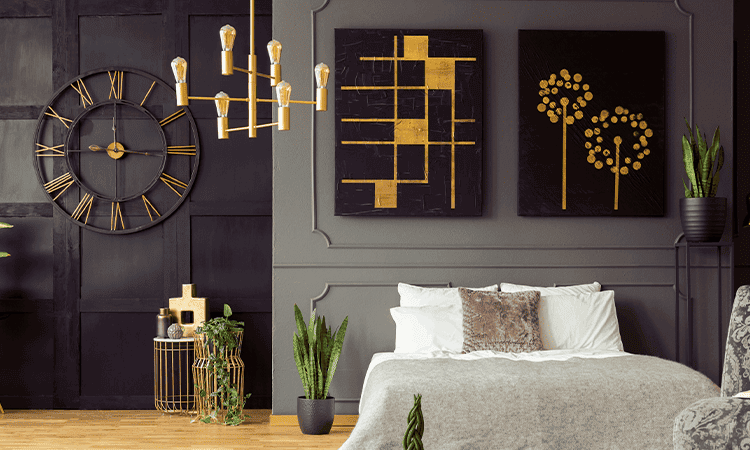
Walking into a room should feel like stepping into a story that belongs to you. Often, we find ourselves surrounded by four walls that serve a purpose but tend to lack a soul. You might have the right furniture or the right colors, yet something feels missing.
The spark of personality that transforms a house into a sanctuary is often just out of reach. Interior design is not just about filling a void. It is about the intentional transition from a blank canvas to a curated expression into your identity.
Discover how to bridge the gap between mere functionality and genuine aesthetic harmony through thoughtful and inspired choices.
The Foundation of Personal Aesthetics
Creating a beautiful environment begins with understanding that your surroundings dictate your daily mood. When you strip away the clutter and the noise, what remains is the potential for something truly remarkable. The thing is: style is not a rigid set of rules that is found in a catalog.
Instead, it is a fluid language spoken through textures, lighting, and layout. To begin this journey, one must look at a space as a three-dimensional puzzle. Every corner offers an opportunity to showcase a piece of art, a vintage finds, or a sleek modern element.
Actually, the goal is to create a flow that feels natural and effortless too. When a room is balanced, it doesn’t shout for attention. It invites you to linger. This balance is achieved by weighing visual elements against one another.
For example, you might pair a heavy wooden table with slender metal chairs or offset a dark accent wall with soft woven fabrics.
Defining Your Visual Signature
Before picking up a paintbrush or browsing for new decor, it is essential to define what style means to you. Perhaps you prefer the rugged charm of industrial design or the timeless elegance of mid-century modernism.
Identifying your signature involves more than just liking a picture online. It requires an audit of your lifestyle. Think about how you use your rooms. A living area are meant for lively social gatherings requires a different energy than a study designed for deep focus. By aligning your aesthetic choices with your actual habits, you make sure that your design remains sustainable and authentic.
The alignment is what separates a showroom from a home.
The Power of Color and Light
Light is perhaps one major influential tool in a designer’s arsenal. It has the ability to expand a small room or bring intimacy to a large hall. Natural light is a gift that should be maximized through the use of sheer window maintenance or strategically placed mirrors that tend to bounce sunshine into dark corners.
When evening falls, the atmosphere shifts to artificial sources. Layered lighting that combines overhead fixtures with floor lamps and wall sconces adds depth and warmth. Avoid harsh and singular light sources that create flat or uninspiring environments. Instead, aim for a glow that highlights architectural features or favorite decor pieces.
Color works hand in hand with light. While neutral palettes offer a sense of calm and versatility, bold hues provide character and strength. If you are hesitant to commit to a vibrant wall color, introduce pigments through accessories like rugs, cushions, or artwork.
These elements allow you to experiment with trends without a permanent commitment. This actually keeps your space fresh and evolving.
Texture: The Secret Layer of Design
If color is the melody of a room, texture is the rhythm. A room with only smooth surfaces feels cold and clinical. To infuse life into your space, you must introduce a variety of tactile experiences.
Consider the contrast between a smooth marble table and a rough jute rug, or a velvet sofa paired with a sleek glass coffee table.
Texture adds a sensory dimension that makes a room feel lived in and layered. It encourages people to touch and interact with their surroundings. Natural materials like wood, stone, and wool tend to bring an organic quality indoors.
This grounds the design and connects it to the world outside. By mixing materials, you tend to create visual interest that keeps the eye moving. This ensures that no single element feels stagnant.
Curating Over Collecting
There is a significant difference between a space that is decorated and one that is curated. Decorating often involves buying items just to fill a shelf, whereas curating involves selecting pieces that hold meaning or offer exceptional visual value.
The art of turning space into style relies heavily on the edit. Avoid the temptation to fill every empty surface.
Negative space is just as important as the furniture itself. This refers to the areas left unoccupied. It allows the eyes to rest and gives you standout pieces room to breathe. When you choose a new item, ask yourself if it contributes to the overall narrative of the room.
Does it complement the existing palette? Does it serve a function or bring joy? If the answer is a no, it may be time to let go.
Small Changes with Significant Impact
You don’t always need a total overhaul to achieve a stylish result. Often, all the profound transformations come from subtle adjustments. Swapping out standard hardware on cabinets, updating old light switches, or rearranging the layout of your furniture can provide a completely new perspective.
Plants are another excellent way to breathe life into a room. Beyond their aesthetic appeal, they tend to introduce movement and a splash of natural green that works with nearly any color scheme.
Whether it is a large fig tree in the corner or a collection of succulents on a windowsill, greenery acts as a bridge between the built environment and the natural world.
The Role of Art and Personal Artifacts
Wall space is often underutilized or cluttered with generic prints. In order to truly turn a space into a stylish reflection of yourself, lean into original art or personal artefacts. This could be a gallery wall of travel photographs, a textile hanging from a local artisan, or a sculptural piece that tells a story.
Art should be hung at eye level to create a connection with the viewer. It serves as a focal point, drawing the room together and setting the tone for the rest of the decor. When you display items that have a history, such as a vintage clock or collection of antique books, you add a layer of soul that cannot be bought at a shop.
Sustainability and Longevity in Style
In a world of fast fashion and disposable furniture, choosing quality over quantity is a radical act of style. Look for pieces that are crafted with integrity. These are items that are built to last and will age gracefully.
Solid wood, forged metal, and hand-woven textiles may require more thought initially, but they offer a timelessness that outlasts any seasonal trend.
Designing with longevity in means choosing silhouettes and materials that you will still appreciate years from now. It is about building a collection of items that can move with you from home to home.
These pieces should adapt to new layouts while maintaining their inherent beauty. This approach is not only better for the environment but also results in a more cohesive and meaningful interior.
Transforming Your Vision into Reality
The transition from inspiration to execution can feel daunting. Start small. Pick one room or even one corner and apply these principles. Observe how the light hits the walls at different times of the day. Notice which textures you are naturally drawn to. As you gain confidence, you can expand your vision to the rest of your home.
Style is a journey rather than a destination. It is a process of constant refinement and discovery. By focusing on balance, light, texture, and curation, you can elevate any space from the mundane to the extraordinary. The reality is: your home is the backdrop to your life, so make sure it is a scene worth admiring.